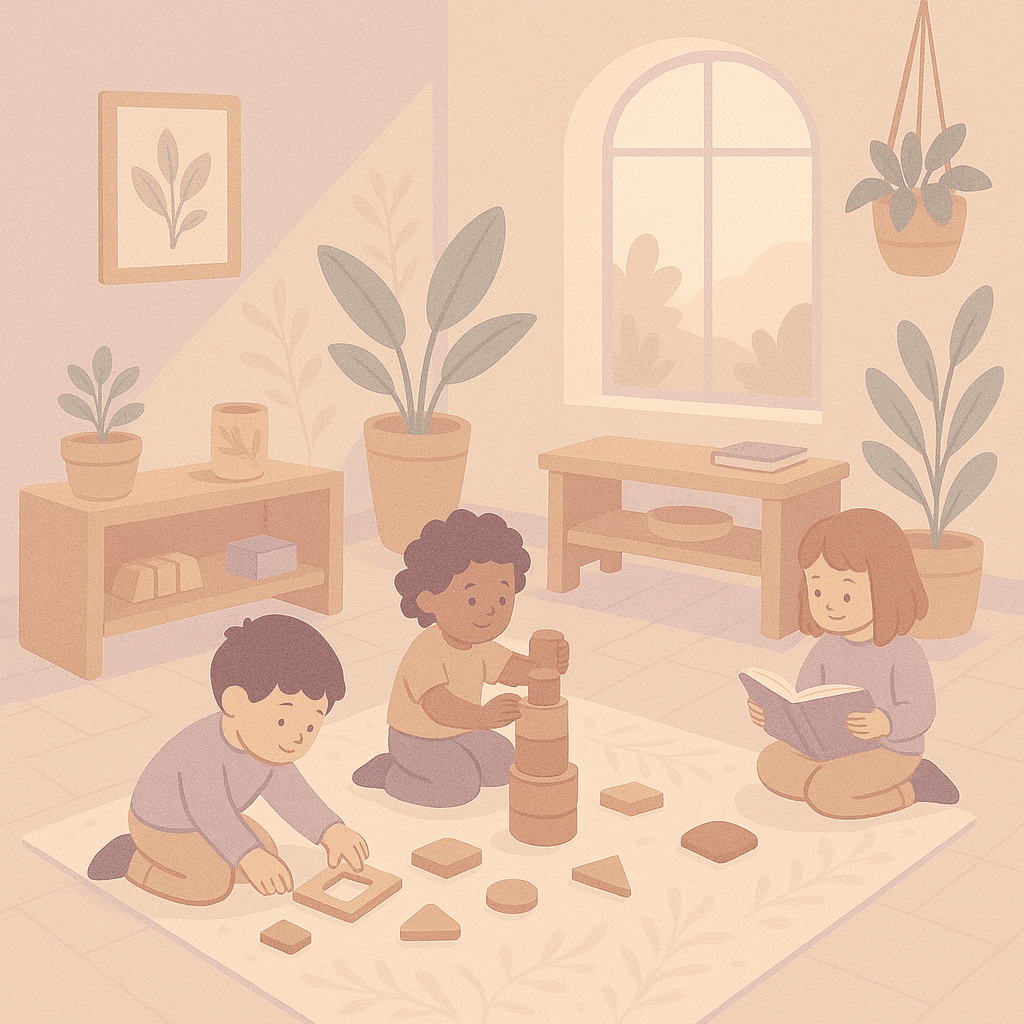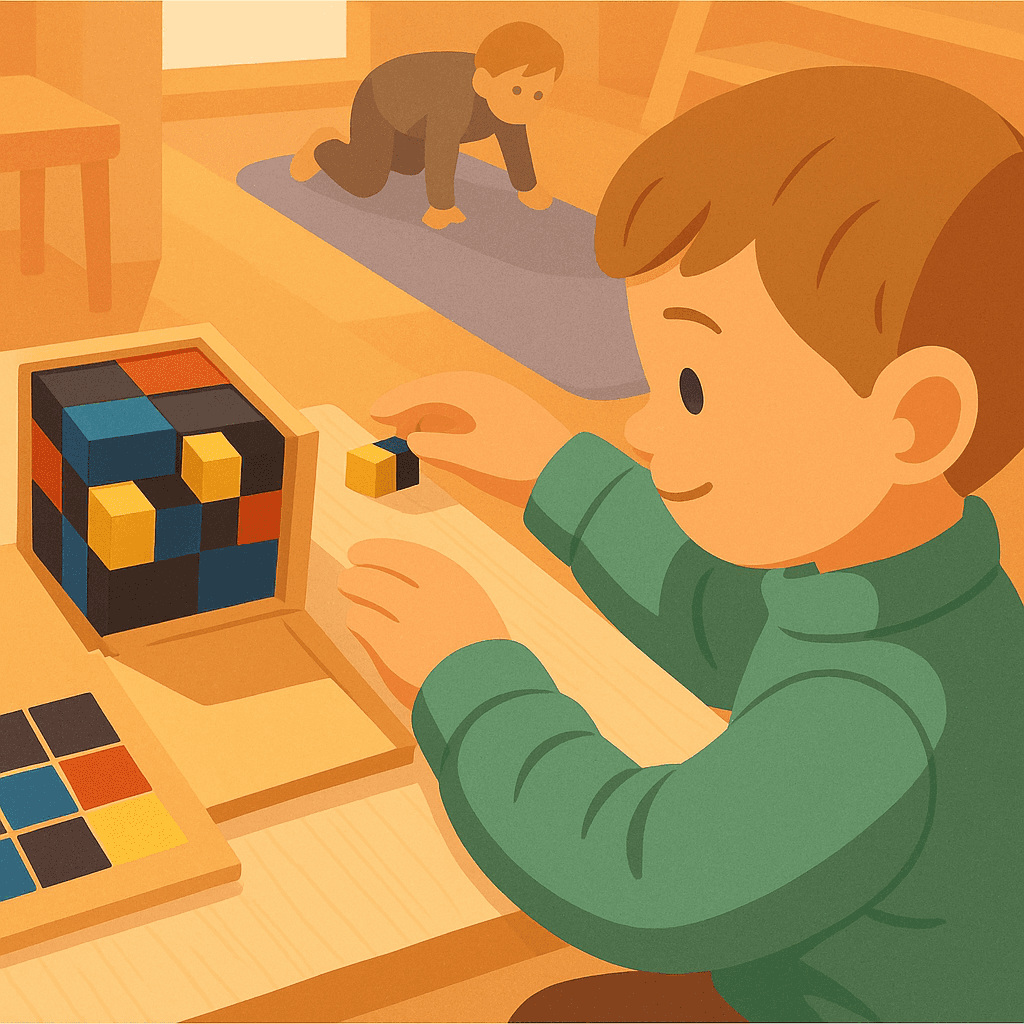
The Montessori method, developed by Italian educator and physician Maria Montessori, is a child-centered educational philosophy grounded in the natural desire of children to learn. It emphasizes values such as independence, confidence, discipline, and curiosity. In Montessori classrooms, children engage with carefully designed materials in an environment that supports self-directed learning at their own pace. This approach respects each child’s unique development and interests, fostering autonomy and a love of discovery. By encouraging exploration and hands-on experiences, Montessori education nurtures children’s ability to think critically and build lifelong learning skills.

The Montessori method, developed by Italian educator and physician Maria Montessori, is a child-centered educational philosophy grounded in the natural desire of children to learn. It emphasizes values such as independence, confidence, discipline, and curiosity. In Montessori classrooms, children engage with carefully designed materials in an environment that supports self-directed learning at their own pace. This approach respects each child’s unique development and interests, fostering autonomy and a love of discovery. By encouraging exploration and hands-on experiences, Montessori education nurtures children’s ability to think critically and build lifelong learning skills.

Benefits of Montessori Education

Benefits of Montessori Education

Montessori education fosters both personal growth and academic development, creating a joyful and purposeful learning experience.

Montessori education fosters both personal growth and academic development, creating a joyful and purposeful learning experience.

The website will be built in Framer, ensuring a modern, responsive, and performance-optimized experience. Ideal for quick iteration and sleek UI transitions.

Montessori education fosters both personal growth and academic development, creating a joyful and purposeful learning experience.

Personalized Learning: Each child receives guidance tailored to their individual learning style and pace. This customized approach helps children express themselves more confidently and develop a strong sense of self.

Personalized Learning: Each child receives guidance tailored to their individual learning style and pace. This customized approach helps children express themselves more confidently and develop a strong sense of self.

Personalized Learning: Each child receives guidance tailored to their individual learning style and pace. This customized approach helps children express themselves more confidently and develop a strong sense of self.

Personalized Learning: Each child receives guidance tailored to their individual learning style and pace. This customized approach helps children express themselves more confidently and develop a strong sense of self.

Fostering Independence: Montessori classrooms empower children to make their own choices, take responsibility, and develop self-discipline—skills that serve them well throughout life.

Fostering Independence: Montessori classrooms empower children to make their own choices, take responsibility, and develop self-discipline—skills that serve them well throughout life.

Fostering Independence: Montessori classrooms empower children to make their own choices, take responsibility, and develop self-discipline—skills that serve them well throughout life.

Fostering Independence: Montessori classrooms empower children to make their own choices, take responsibility, and develop self-discipline—skills that serve them well throughout life.

Inspiring Curiosity: Hands-on learning materials spark children’s natural curiosity, making the learning journey active, engaging, and fun.

Inspiring Curiosity: Hands-on learning materials spark children’s natural curiosity, making the learning journey active, engaging, and fun.

Inspiring Curiosity: Hands-on learning materials spark children’s natural curiosity, making the learning journey active, engaging, and fun.

Inspiring Curiosity: Hands-on learning materials spark children’s natural curiosity, making the learning journey active, engaging, and fun.

Social Development: Through collaborative work and group activities, children enhance their communication, empathy, and cooperation skills in a nurturing social environment.

Social Development: Through collaborative work and group activities, children enhance their communication, empathy, and cooperation skills in a nurturing social environment.

Social Development: Through collaborative work and group activities, children enhance their communication, empathy, and cooperation skills in a nurturing social environment.

Social Development: Through collaborative work and group activities, children enhance their communication, empathy, and cooperation skills in a nurturing social environment.

Building Lifelong Skills: Montessori education instills a love for learning and encourages independent thinking, laying a solid foundation for lifelong success.

Building Lifelong Skills: Montessori education instills a love for learning and encourages independent thinking, laying a solid foundation for lifelong success.

Building Lifelong Skills: Montessori education instills a love for learning and encourages independent thinking, laying a solid foundation for lifelong success.

Building Lifelong Skills: Montessori education instills a love for learning and encourages independent thinking, laying a solid foundation for lifelong success.

What Areas Are Covered in Our Montessori Curriculum?

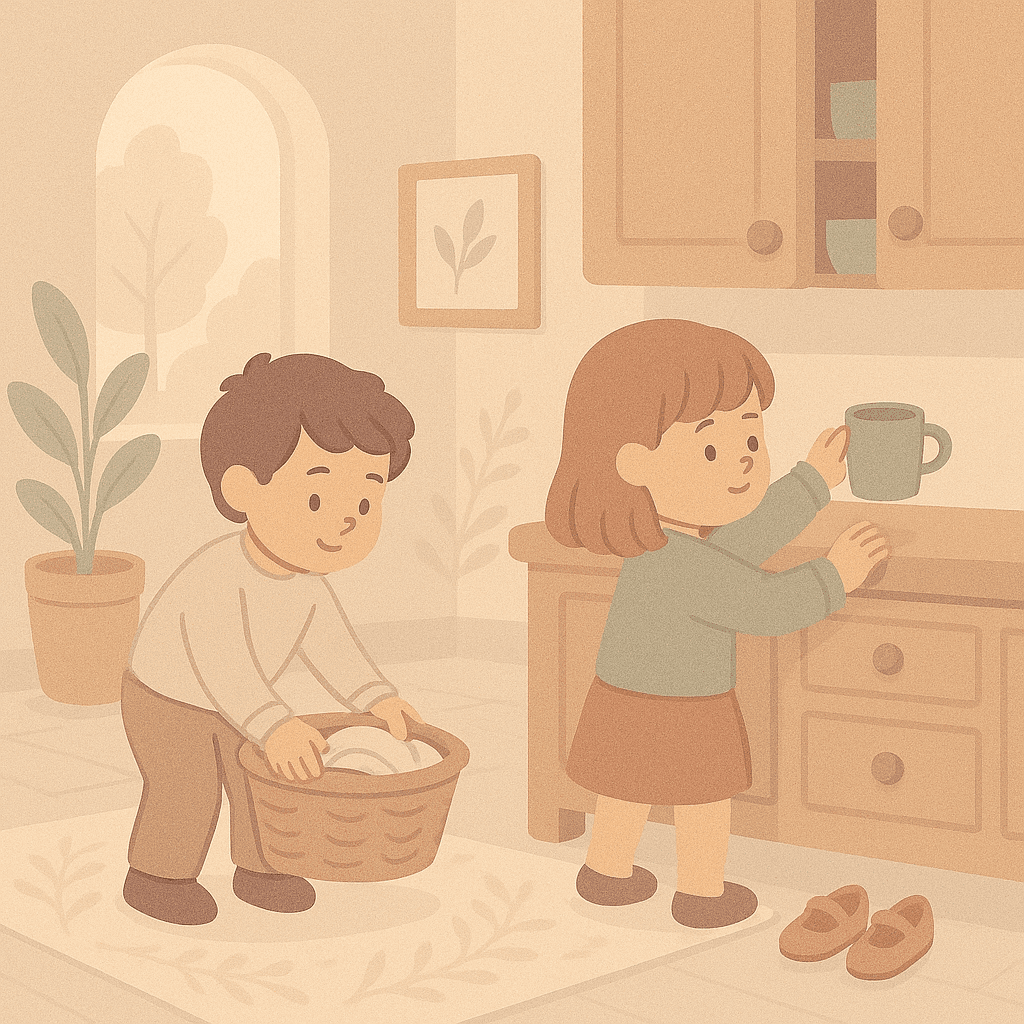
Daily Life Skills

Strengthening attention span and mental focus

Enhancing hand-eye coordination

Building a sense of order and self-regulation

Building a sense of order and self-regulation

Encouraging autonomy and responsibility

Refining fine motor skills through everyday activities

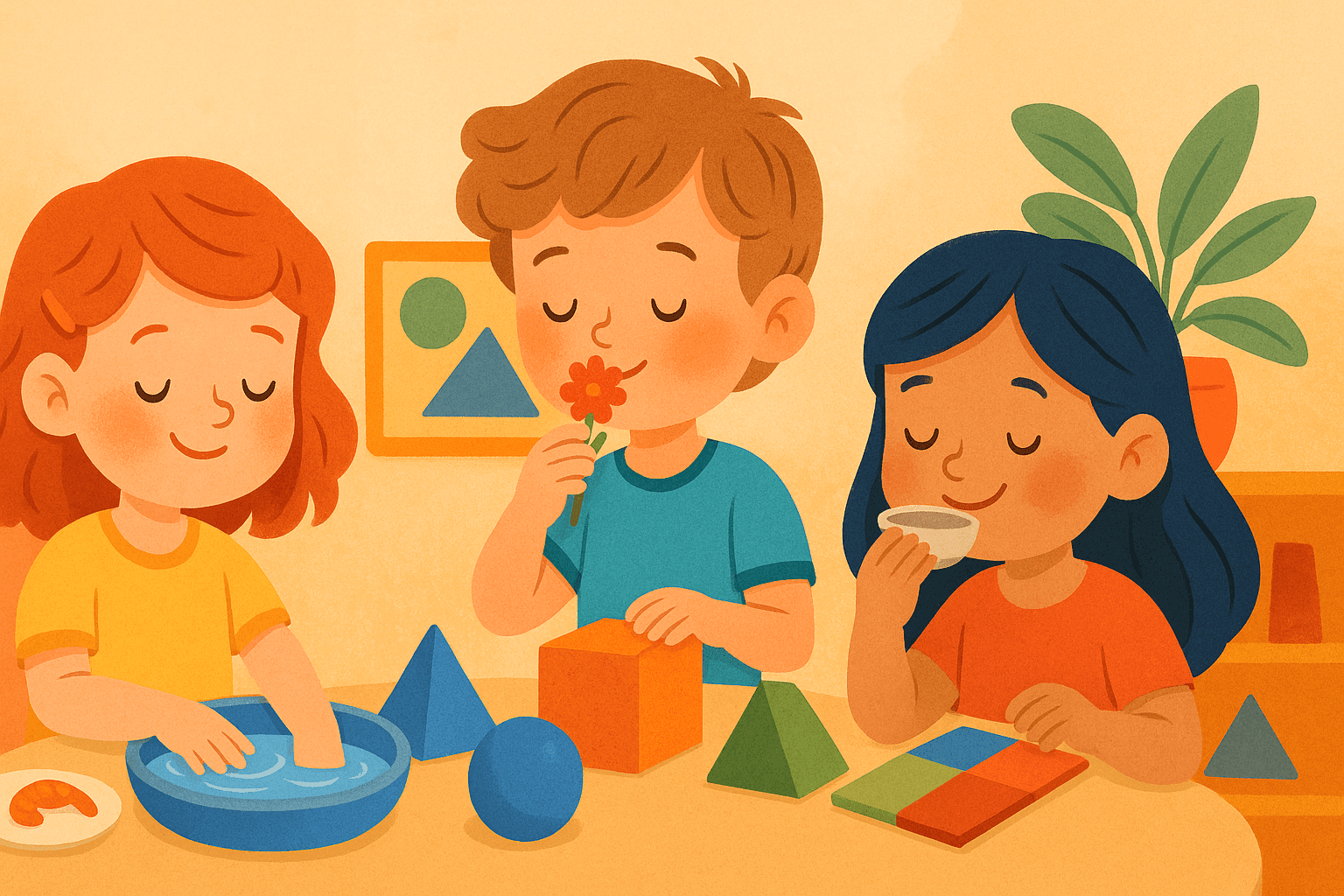
Sensorial Exploration

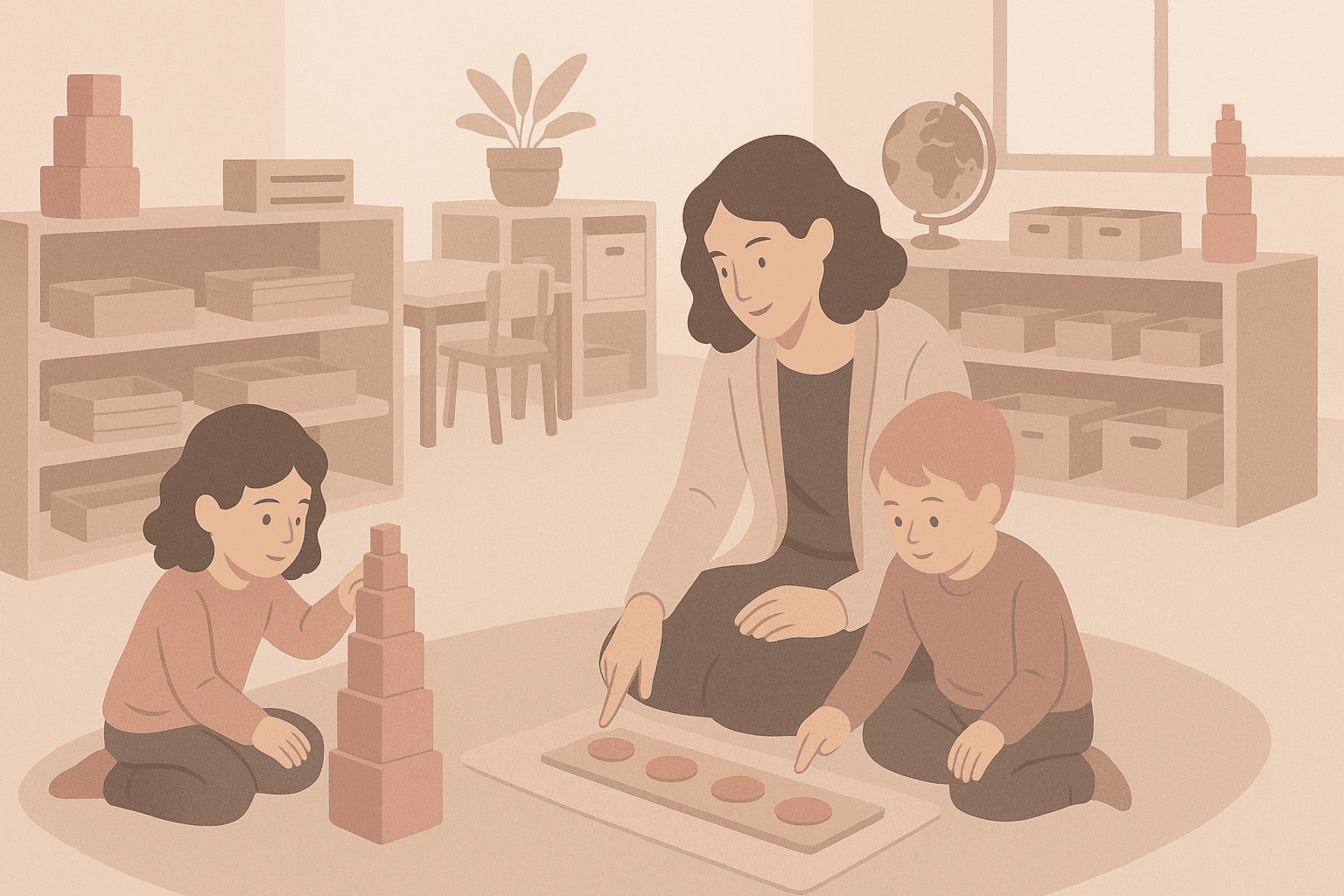
Exploring dimensions, weights, and geometric forms

Distinguishing sounds, smells, tastes, and textures

Gaining familiarity with color, size, and shape differences

Developing analytical thinking through sorting and sequencing

Enhancing perception and sensory memory
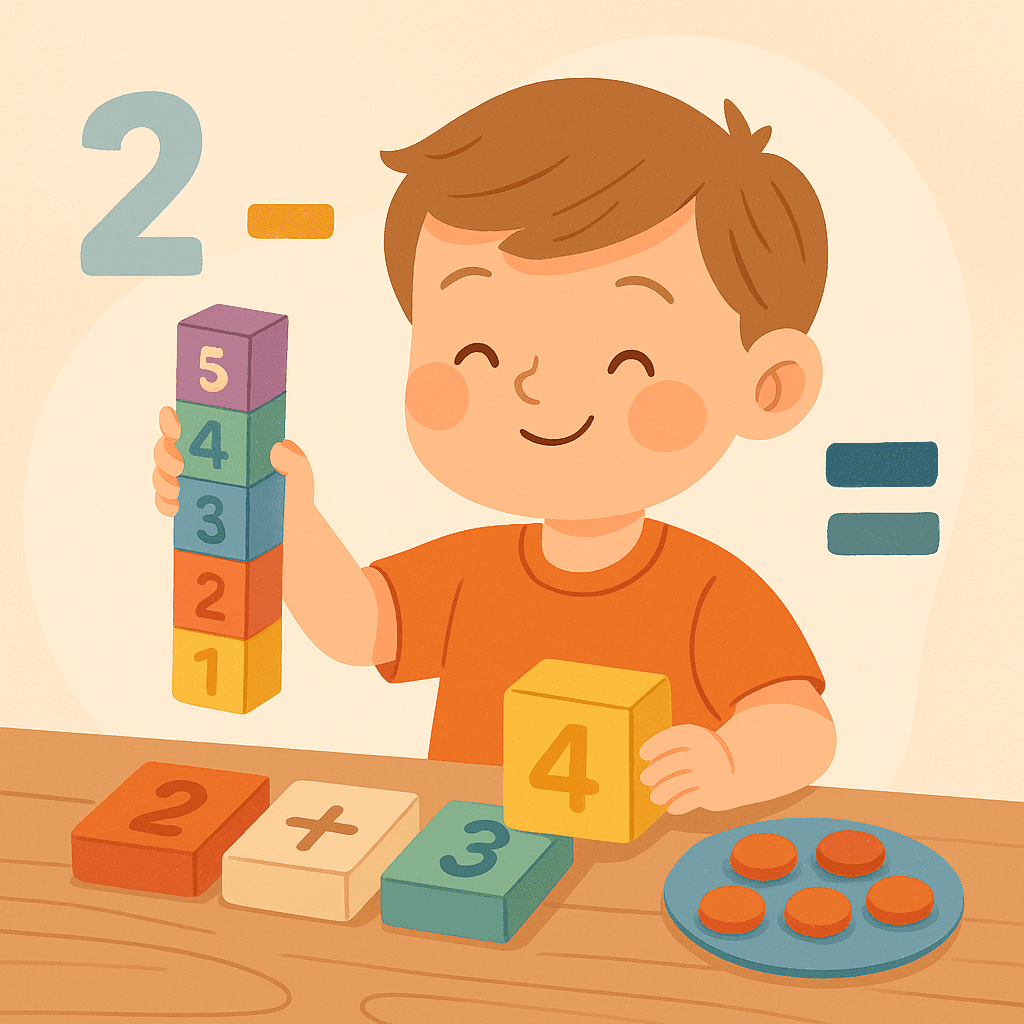
Mathematics Foundations

Recognizing numbers and understanding basic operations

Learning through physical, hands-on materials

Approaching math as a playful and stress-free experience

Building abstract thinking from concrete foundations
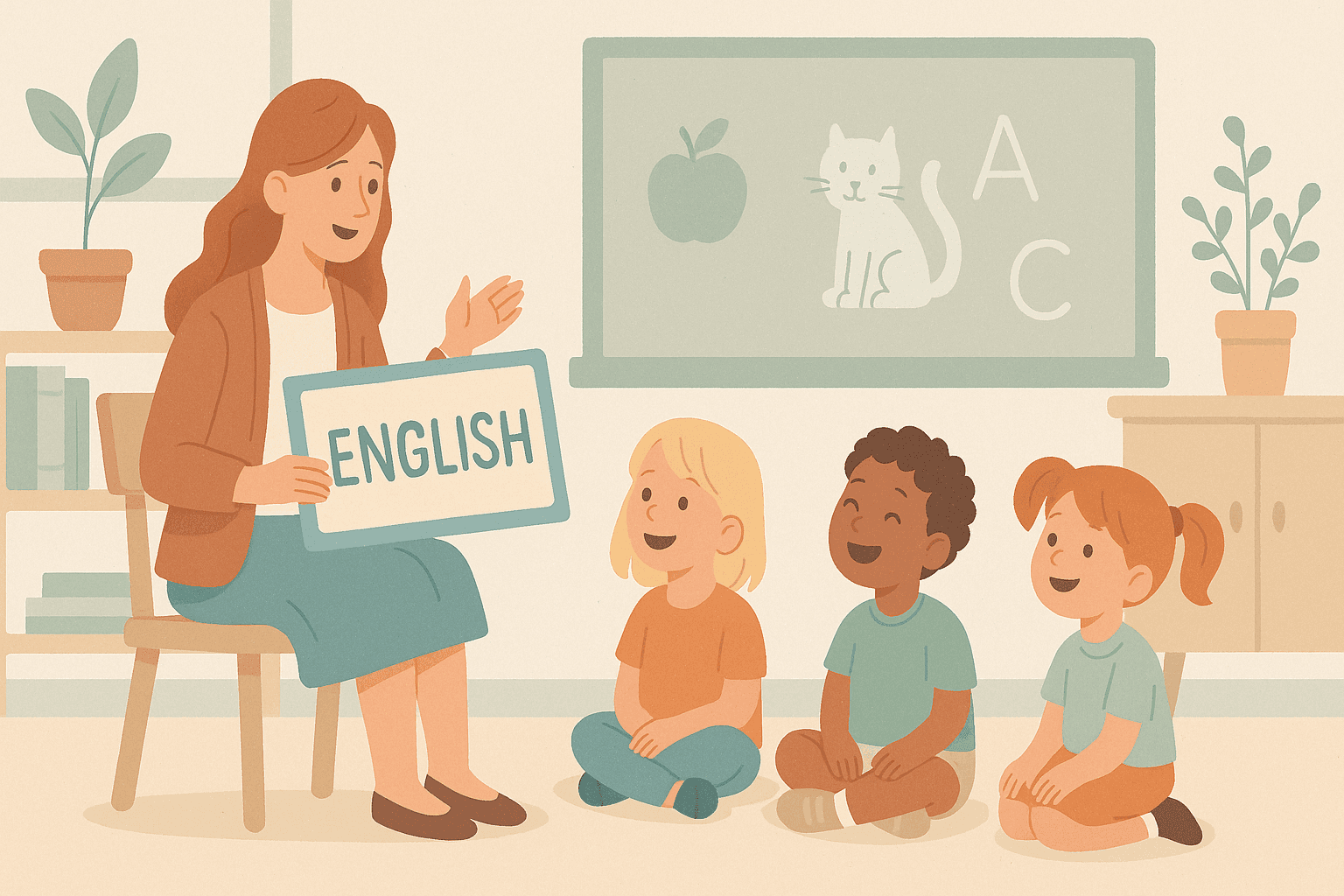
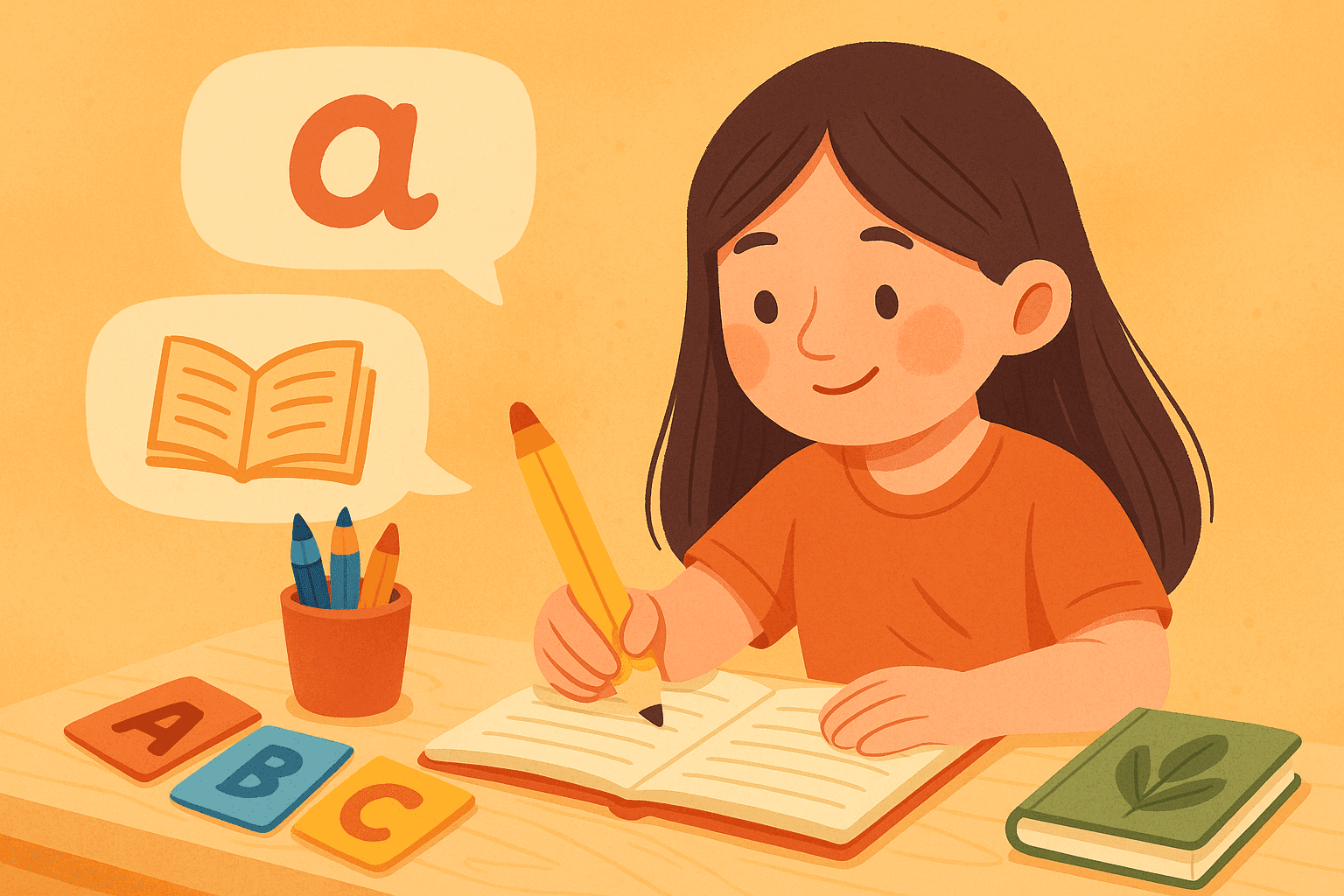
Language Development

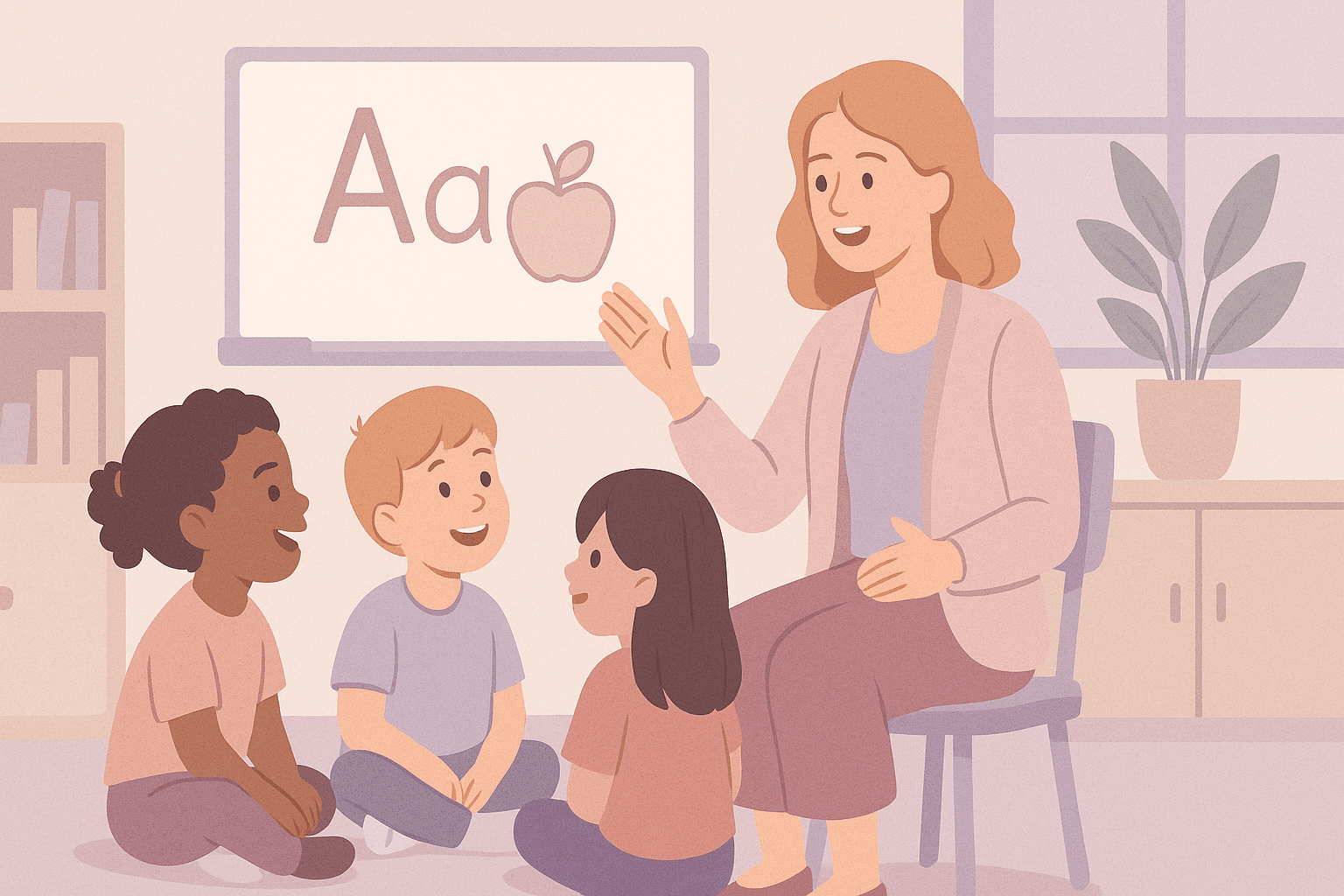
Identifying letter sounds and phonetics

Laying the groundwork for reading and writing

Strengthening pencil grip and writing skills

Expanding vocabulary through object and category naming

Reinforcing expressive language and comprehension
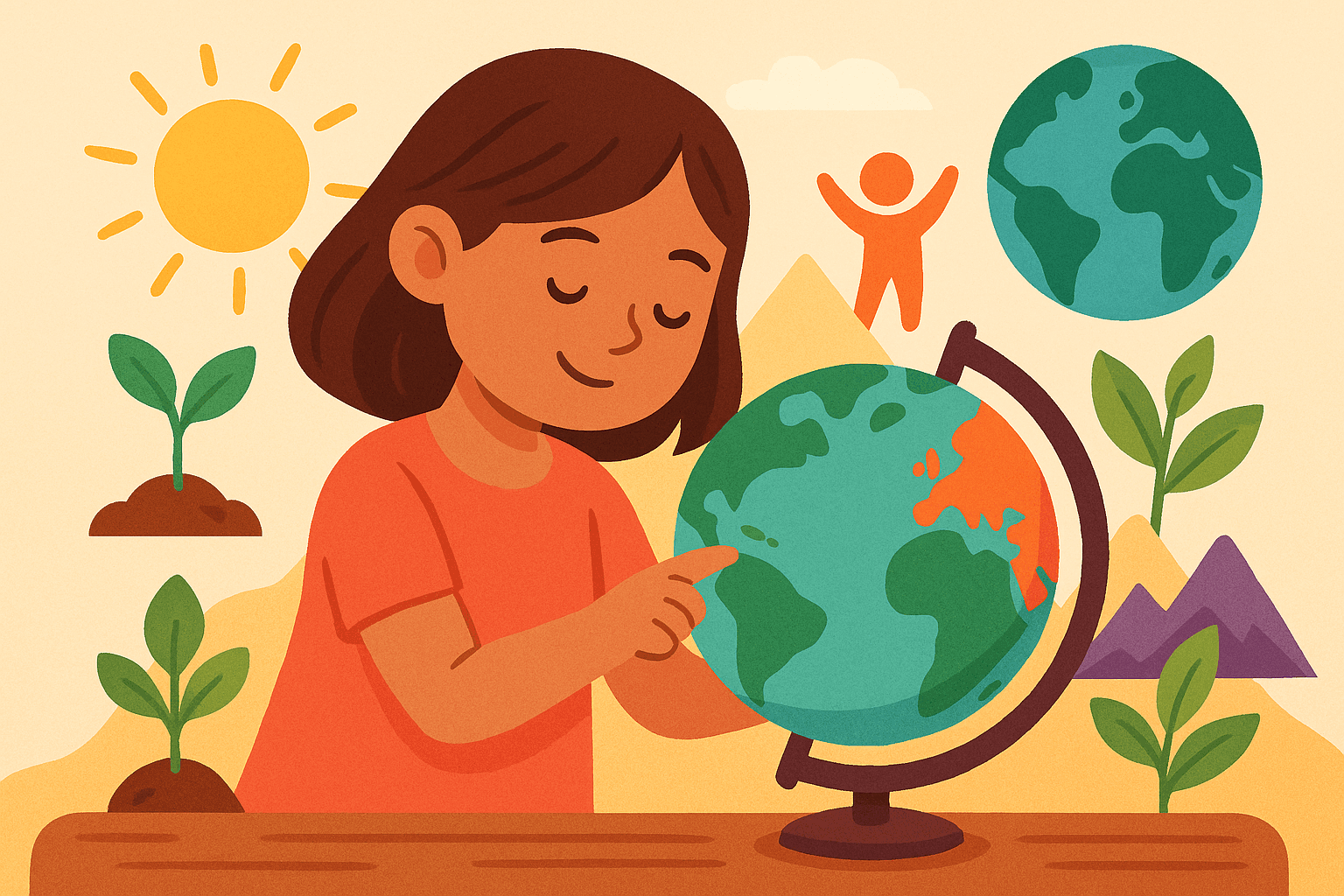
Cultural Studies – Cosmic Education

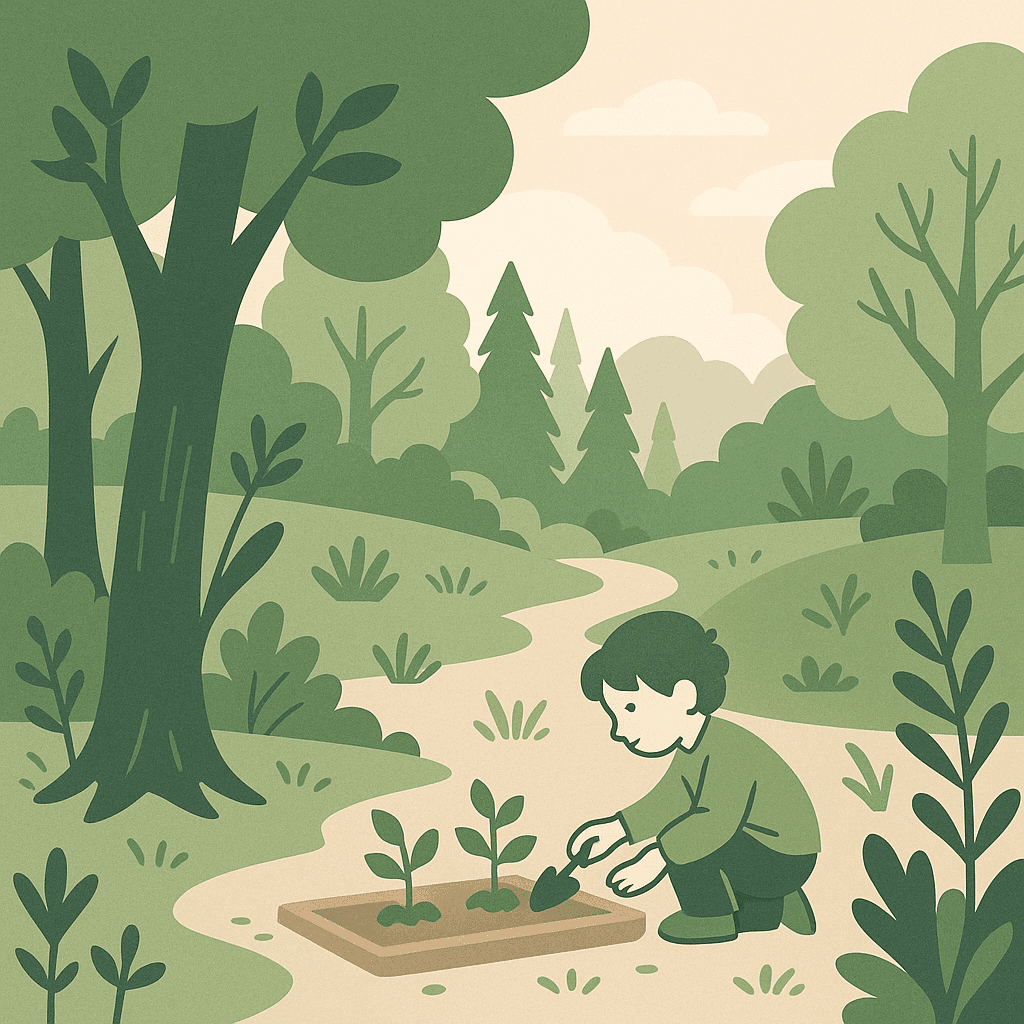
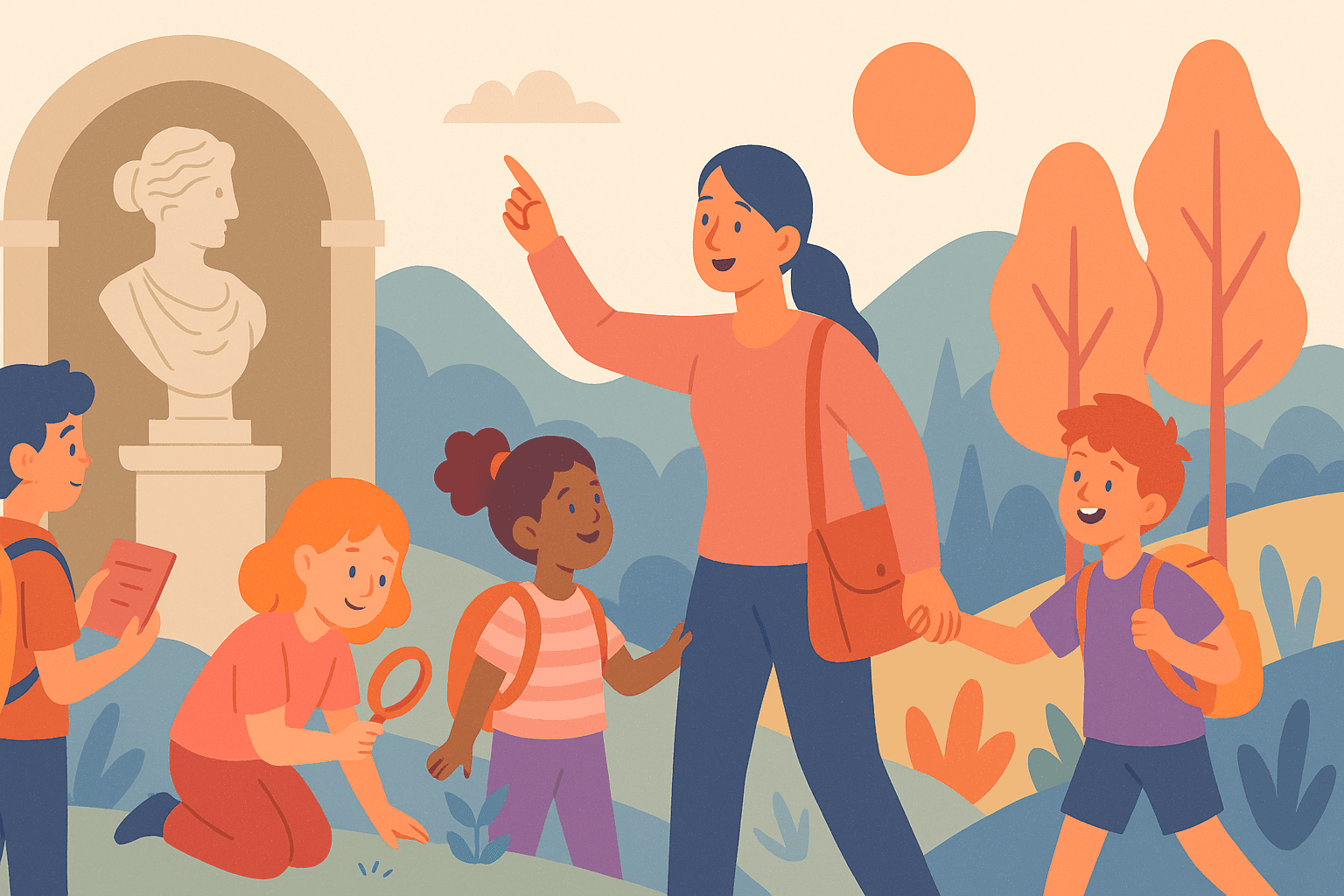
Introducing the Earth, living beings, and ecosystems

Learning geography and nature from tangible to abstract concepts

Encouraging environmental care and stewardship

Exploring diverse global cultures

Creating memorable learning through hands-on experiences and play
Frequently Asked Questions

What is the Montessori method and how is it different from traditional education?

The Montessori method is a child-centered educational approach developed by Dr. Maria Montessori. It emphasizes independence, hands-on learning, and respect for each child’s individual pace and interests. Unlike traditional classrooms, Montessori environments are designed with specialized materials that foster self-directed exploration and discovery. Teachers act as guides rather than lecturers, allowing children to actively engage in learning and develop critical thinking, problem-solving, and collaboration skills from a young age.

What is the Montessori method and how is it different from traditional education?

The Montessori method is a child-centered educational approach developed by Dr. Maria Montessori. It emphasizes independence, hands-on learning, and respect for each child’s individual pace and interests. Unlike traditional classrooms, Montessori environments are designed with specialized materials that foster self-directed exploration and discovery. Teachers act as guides rather than lecturers, allowing children to actively engage in learning and develop critical thinking, problem-solving, and collaboration skills from a young age.

What is the Montessori method and how is it different from traditional education?

What is the Montessori method and how is it different from traditional education?

The Montessori method is a child-centered educational approach developed by Dr. Maria Montessori. It emphasizes independence, hands-on learning, and respect for each child’s individual pace and interests. Unlike traditional classrooms, Montessori environments are designed with specialized materials that foster self-directed exploration and discovery. Teachers act as guides rather than lecturers, allowing children to actively engage in learning and develop critical thinking, problem-solving, and collaboration skills from a young age.

At what age can my child start attending Miela Montessori Preschool?

At what age can my child start attending Miela Montessori Preschool?

At what age can my child start attending Miela Montessori Preschool?

At what age can my child start attending Miela Montessori Preschool?

What does a typical day at Miela look like for my child?

What does a typical day at Miela look like for my child?

What does a typical day at Miela look like for my child?

What does a typical day at Miela look like for my child?

Miela International Preschool

Looking forward to meeting with you

© 2023 Miela. All Rights Reserved

Miela International Preschool

Looking forward to meeting with you

© 2023 Miela. All Rights Reserved

Bright Kids International

Looking forward to meeting with you

© 2023 Miela. All Rights Reserved

Miela International Preschool

Looking forward to meeting with you

© 2023 Miela. All Rights Reserved

Create a free website with Framer, the website builder loved by startups, designers and agencies.